Showing posts with label all. Show all posts

Cancer & Silver


Colloidal Silver has been clinically proven to be powerful natural antibiotic, estimated to kill over 750 different disease-causing pathogens (anaerobic bacteria, viruses, fungus and yeast). It is used by NASA on shuttle missions and used in hospital intensive burn units. Having silver in the bloodstream increases the healing process of fractured bones. Small amounts of silver have also been used over time to preserve foods. Colloidal Silver is used for the treatment of various conditions and pathogens:
acne, aids, arthritis, athlete's foot, bladder inflammation, burns, B.Tuberculosis,
blepharitis, cancer, colitis, cystitis, diphtheria, dermatitis, diabetes, dysentery, ear infections, Eustachian tubes, eczema, fibrositis, furunculosis, gonorrheal herpes, gonorrhea, impetigo, influenza, intestinal conditions, keratitis, leprosy, leukemia, lupus, lymphangitis  malaria, Meniere's symptoms, meningitis, neurasthenia, ophthalmology, canine parvo virus, pneumonia, pleurisy, prostate, Pruritis Ani, quinsiie, rheumatism, ringworm  rhinitis, scarletina, seborrhea, septic ulcers, sepsis, septicemia, skin cancer, shingles, soft sores, spruce, staph infections, strep infections, Subdies inflammation, tuberculosis, tonsillitis, toxemia, typhoid, trench foot, ulcers, warts, whooping cough and yeast infections.
Today we are threatened by more "severe" viruses such as the Ebola and Hanta and other "flesh-eating" bacteria. However, understanding that these are merely viruses and bacteria, silver renders these organisms as ineffective in the disease game as any others. Under a microscope, bacteria which have mutated to the point where they laugh at penicillin are quickly dispatched with a few ions of silver.
SO WHAT EXACTLY IS COLLOIDAL SILVER?
Colloidal Silver is defined as a very small particle of silver suspended in a different medium, such as in a liquid. Colloidal silver is also an electrical colloid meaning the silver particles, have a positive electrical charge. Because of the small particle size and electrical charge, the particles repel each other and thus theoretically stay suspended in the water indefinitely and do not settle out.
HOW IT WORKS
Colloidal silver works in several ways. It’s very effective anti-microbial properties have resulted in use by doctors for the treatment of AIDS, Cancer, Epstein Barr, Gonorrhea, Lyme's Disease, Candida, fungus, warts and parasites. Silver maintains a positive charge which when introduced to areas of infection; disrupt the organisms causing the illness.
Interestingly, colloidal silver kills the pathogens by inhibiting the enzyme(s) that these pathogens utilize to survive in their anaerobic environment. This process is so effective that no pathogen has been recorded to mutate against colloidal silver or live in its presence for more than 6 minutes. While antibiotics are losing their effectiveness, as several strains of germs are becoming resistant to conventional antibiotics, they are not able to develop any resistant strains or immunity to SILVER.
TOXICITY - IS COLLOIDAL SILVER SAFE?
Why is there no toxicity? Because the silver is in a colloidal form, any excess that is not needed by the body is easily eliminated thereby preventing the accumulation in body tissues for long periods of time. There is no known interaction between PURE colloidal silver and any drugs, herbs or medicines. Colloidal silver is reported to be nontoxic to the body. No known cases exist demonstrating the ability to overdose using colloidal silver.
MAKE YOUR CS GENERATOR FOR ABOUT $12.00
It is so simple. You can make your own colloidal silver for under $1.00 per gallon!

1. Buy a 10 to 30 volt DC transformer for about $1 (Garage Sale). Or one can use one to four 9 volt batteries in series. They will last a long time.
2. Clip the connector off the end of the wire.
3. Get two alligator clips from Radio Shack for a buck.
4. Carefully separate the two wires. Strip the insulation off for about 1 inch.
5. Connect each lead to a clip.
6. You need two electrodes (last for years). You can use two, 6 inch pieces of 16ga 1.25mm Round Pure Fine 999 Silver Wire (Ebay $11) or go to a any coin store and buy two Canadian Maple Leafs. Each has 1 oz. of .9999 pure silver, enough to make more CS than you will ever use. ($60)
7. Buy a gallon of distilled water for about seventy cents.
8. (Optional) Buy a tiny fish tank bubbler machine for about eight bucks. They will have the neoprene tubing as well. You will need about two feet.
9. Be sure the silver is squeaky clean. Clamp them to opposite sides of an 8 oz. glass of distilled water.
10. Place the tubing to the bottom of the glass.
11. Fill the glass with distilled water ONLY up to the bottom of the clips. You do not want the metal, from the clips, in contact with the water, only the silver.
12. Plug in the little transformer and oxygenation machine.
13. Run for about five hours.
14. Check with a cheap laser pointer. Point it into the water and look for a colored line. It's done when you see it.
15. Carefully remove the silver. There will be residue on them and you don't want that in the solution.
16. Keep the CS out of sunlight in an airtight bottle.
17. Clean the silver thoroughly preparing for the next batch.

Some women take colloidal silver during pregnancy to aid the baby's growth and health as well as the mother's delivery and recovery.

Colloidal silver is applied directly to the skin for acne, burns, eye infections, fungal infections, throat infections, skin infections, and Staphylococcus infections.

20 Top Ways to Use Colloidal Silver Around the House


How to use the world's most powerful all-natural anti-bacterial, anti-fungal and anti-viral disenfectant to keep your family safe and infection-free at home...
Colloidal silver can also be used topically on cuts, burns and abrasions to stop infection dead in its tracks and to dramatically stimulate the healing process. What’s more, it can be sniffed up the nose to stop pesky sinus infections like magic…it can be gargled with to stop nasty sore throats …or it can be inhaled into the lungs using a pump spray bottle to stop even the most serious of lung infections.
But colloidal silver has many other uses that will allow you to safely and effectively protect yourself and your family from infectious microorganisms and disease. Indeed, there’s no other all-natural antimicrobial substance on the face of the earth that can compare to it. Here are our top 20 family uses:
1. Drinking Water Dispensers –
The reservoir or holding tank in your bottled drinking water dispenser is largely unseen, and can easily become contaminated with bacteria or mold. To help prevent this potentially serious problem, add 1 tblsp. of colloidal silver per gallon of water each time you change bottles.
2. Food Leftovers –
Food poisoning is serious business. Restaurant leftovers are particularly susceptible to bacterial contamination, especially if the food sat in the car very long after leaving the restaurant. Use a pump spray bottle to lightly spray leftovers with colloidal silver, to keep them fresh longer. This works well for leftover pet foods, and household leftovers, too.
3. Canning and Preserves –
To prevent mold and fermentation when canning and making preserves, simply add 1 tsp. of colloidal silver per quart to your jars before sealing.
4. Underneath Kitchen and Bathroom Sinks –
Lightly spray colloidal silver under your kitchen and bathroom sinks, to prevent mold and mildew, and to disinfect and eliminate musty smells. Be sure to ventilate and let dry thoroughly.
5. Mopping –
Even well-rinsed mops can harbor bacterial and mold, which you can inadvertently spread all over your floors when mopping. Help keep your mop free from potentially harmful microbial growth by adding ½ cup of colloidal silver to your mop water as a safe, powerful antimicrobial.
6. Toilet Bowls and Tanks –
Toilet tanks can harbor a plethora of pathogens, which in turn will contaminate your toilet bowl. You can easily disinfect both by adding a cup of colloidal silver inside the toilet tank once a week.
7. Toilet Seats and Handles –
These are probably the most bacterially contaminated surfaces in your entire house. Between regular cleanings, lightly spray colloidal silver onto toilet seats and handles in order to prevent excessive microbial buildup. Allow it to air dry.
8. The Floor Around Your Toilets –
It is likely that the floor around the toilets in your home harbor more bacteria and other pathogens than any other visible surface in the house. After all, every time you flush your toilet, many thousands of extremely fine droplets of toilet water are sprayed up into the air in an invisible mist. These droplets fall to the ground, and can harbor millions of intestinal bacteria. To prevent excessive bacterial buildup on the floors around your toilet, lightly spray colloidal silver onto the floor around busy toilets in between your regular cleanings. Allow it to air dry.
9. Toilet Brushes –
Be sure to disinfect your toilet brushes after each use by spraying them thoroughly with colloidal silver. Do the same thing every time you clean your bathrooms.
10. Bathroom Plunger –
Like your toilet brush, your bathroom plunger is probably rife with invisible microbial growth. Simply spraying the plunger with colloidal silver after each use, and during your normal bathroom cleaning.
11. Jacuzzis and Hot Tubs –
Many forms of bacteria and mold are becoming resistant to chlorine and bromine. You can enhance the antibacterial and antifungal effectiveness of either of these popular disinfectants simply by adding a small amount of colloidal silver to your Jacuzzi or hot tub once a week. Just add 1 tblsp. per gallon of water. Many hot tub owners go completely chlorine and bromine-free simply by adding a half gallon of homemade colloidal silver to their Jacuzzi or hot tub, and then adding a quart a week afterwards. It works like a charm, and unlike harsh pool chemicals, it’s great for the skin!
12. Kitchen and Bathroom Sponges –
Kitchen and bathroom sponges are notorious bacterial vectors, so be extra sure to spray them with colloidal silver after each use, especially in warm or humid weather.
13. Kitchen Cutting Boards –
The debate has raged for several decades now over which type of cutting board harbors more bacteria – wood or plastic. Thanks to colloidal silver, you won’t have to worry about either. Just wash and rinse your cutting board as usual after each use, then spray lightly with colloidal silver and allow it to air dry.
14. Mold on Walls and Ceilings –
Mold is a common and potentially dangerous problem in homes, particularly in humid and coastal areas. To dramatically retard the growth of mold and mildew in your home, lightly spray colloidal silver onto the walls and ceilings in your bathroom, basement or other rooms where mold growth is a problem, particularly in corners and along seam lines where the walls and ceiling meet. Ventilate these areas to allow the colloidal silver to dry. Repeat weekly where necessary. It works like a charm!
15. Counter Tops –
Countertops in your home can harbor far more bacteria than you may think, even if you clean them frequently. But you can alleviate this problem simply by spraying them lightly with colloidal silver and allowing them to air dry, or by wiping them with a cloth that has been soaked in colloidal silver, and wait six minutes before drying with a dry towel.
16. Door Knobs and Other Contact Surfaces –
Similarly, you can spray colloidal silver lightly on your door knobs and other contact surfaces, in order to reduce the buildup and spread of microbes throughout your home.
17. Toothbrush –
We’ve often stated that next to your kitchen can opener, your toothbrush is probably the filthiest implement in your home, in terms of the potential for microbial contamination. Of course, cleaning and rinsing your toothbrush after each use alleviates a large part of this problem. Go one step further by lightly spraying the bristles and handle with colloidal silver after each usage, and microbial overgrowth will never be a worry again.
18. Kitchen Can Opener –
Several studies have shown that the can opener is generally the #1 filthiest implement in your house. That’s why regular cleaning of the handle and rotary blade is a must, and why most kitchen can openers allow for the handle and rotary blade to be easily removed for cleaning. After cleaning and drying you can go one step further by lightly spraying the handle and rotary blade with colloidal silver, and allowing it to air dry before reattaching it to the mainframe.
19. Waterpik or Other Oral Irrigator –
To prevent bacterial buildup in your oral irrigator, and to help further limit bacterial and plaque buildup around your teeth and gums, add 15 to 30 drops of colloidal silver to the reservoir of your oral irrigator every time you use it.
20. Any thing in the kids room.
If you want to keep the kids from chewing something germy then spray and let air dry and no more germs. Doctors use it in the eyes of newborns to keep them from getting infected.

Silver can kill some cancers as effectively as chemotherapy and with potentially fewer side effects. Scientists say that old wives tales about the precious metal being a ‘silver bullet’ to beat the Big C could be true.
The metal already has a wide range of medicinal uses and is a common antiseptic, antibiotic and means of purifying water.
Good news: Silver can kill some cancers as effectively as chemotherapy and with potentially fewer side effects, new research has claimed.
And British researchers now say that silver compounds are as effective at killing certain cancer cells as a leading chemotherapy drug, but with potentially far fewer side-effects.
They compared it to Cisplatin, currently used to treat a wide variety of cancers, but known to have harsh side effects including nausea, vomiting and even kidney damage.
Silver is used already in everyday products such as deodorant with no known side-effects, and could make for a potentially cheaper alternative to platinum-based Cisplatin.
Researchers from the University of Leeds conducted lab tests which exposed breast and colon cancer cells to various silver-based chemicals over a six day period.
Results, published in journal Dalton Transactions, showed that these silver-compounds were ‘as effective as Cisplatin’ at killing cancer with potentially fewer side effects.
While the team are still unsure about how exactly silver battles cancer, they think its effectiveness may be caused by the structure surrounding silver atoms, known as its ligand.
Way forward: Researchers from the University of Leeds found that silver could be used to help defeat breast cancer
They think this may help release the silver ion into cells when it enters the body, killing any cancer.
Day 25 Chelation Therapy for Autism


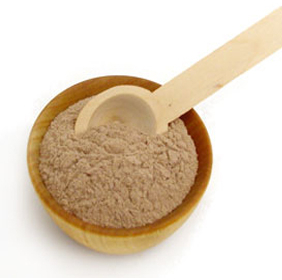
Bentonite Clay is a unique material that possess a comparatively strong negative ionic charge. The negative charge is compensated for by adsorbing a cation. Once you activate this clay it should magnetically pick up the garbage within your body (heavy metals, toxins, acid, etc.) and take the poisons away with them in your waste.
For Autism have you looked at Chelation Therapy using Bentonite Clay ? Put it in the tub and they get to play in dirty water . They will love it . Autism may be caused by heavy metal poisoning and reduced by Chelation Therapy.
Bentonite can be utilized externally as a clay-based poultice, mud pack or even in the bathtub along with natural skin care recipes.

A high quality Bentonite needs to be a grey/cream color and something bordering “pure white” is suspicious.


Note these cautions when you use Bentonite Clay internally:

1 ) Bentonite really should solely be consumed with a high-fiber food such as Psyllium Husk. This enables Bentonite to move naturally through the intestines.

2 ) Consume plenty of water whenever consuming Bentonite internally. This really is essential.

3 ) Don't take vitamin supplements and Bentonite clay all at once.

4 ) Bentonite Clay may also absorbs certain nutrients. To avoid this, take it no less than one hour or so before or after your meals.

5 ) Never allow Bentonite to come into contact with something metal as it reduces its effectiveness.


Although it has been mostly overlooked in recent times, Bentonite clay is increasing in popularity in recent time as an internal and external cleanser for very good reasons.
How It Works:
Bentonite clay is a very common component in detoxification and cleansing products. It possesses an alkalizing effect (anti-Cancer) on the human body so when taken appropriately, it will help balance stomach bacteria.
Sodium Bentonite:
The Sodium Bentonite is the most powerful. Which means that Sodium Bentonite has a stronger vacuum for drawing in heavy metals as well as toxins that it comes into contact with. Additionally, the Sodium Bentonite swells a lot more providing it the capability to absorb a lot more toxins as well as transporting them out of the body via the fecal matter.
Calcium Bentonite:
Calcium Bentonite will not swell as much as Sodium Bentonite and while that will make it less effective as a detoxing ingredient this really is more effective as a remineralizer. Since it does not swell as much, Calcium Bentonite may have a number of tiny particles small enough to go through the colon wall surface into the bloodstream. There it is going to scavenge toxins as well as leave behind vital minerals. Bentonite is a Silica based mineral and it is silica that permits calcium to permeate the exterior portion of the bone and move to the interior where it is most needed.
Bentonite Clay and your PH Balance:
One other factor which makes Bentonite Clay Powder so fundamental is it’s capability to increase your body’s PH. The Bentonite is going to soak up some of the hydrogen from your cells allowing these to fill that space with the oxygen you greatly require.
Bentonite Clay and nature:
Peruvian Macaws manage to in some way know the benefits of Bentonite clay. Macaws are totally dependent upon wild fresh fruit for their primary supply of food, however at certain periods of the year solely poisonous fruit can be obtained. And so they will fly to the clay and consume the clay each morning which will adsorb the alkaloid toxins present in the toxic fruit they consume throughout the day. When it becomes combined with drinking water it quickly swells open similar to an extremely porous sponge. From here the harmful toxins are drawn into the sponge by means of an electrical attraction and once there, they will be bound.
Bentonite Clay Face mask:
A clay mask produced from Bentonite draws surplus skin oils and debris to the surface area of your skin, improves circulation to tighten the skin as well as promote circulation of blood and whisks away dead skin cells which could clog skin pores.
Bentonite clay may be used to help everybody; men, women (including before, during or after pregnancy, and nursing), children and animals.
Toothpaste:
It could also be used alone for brushing teeth and is tasteless as well as reasonably texture-less.
For Baby Powder:
Simple Bentonite Clay can make an extremely soothing baby powder especially for use if there is infection or redness.
Arizona State University claims that Bentonite clay was identified to be highly effective at getting rid of MRSA not to mention Salmonella, E. Coli and others.
It may be used as frequently as you would like, as well as in in any manner you choose. Just remember to drink plenty of water when using it internally.

Day 24 Chronic inflammation

The immune system’s response to an inflammatory diet diverts the body’s energy from healing and repair and allows whatever is latent in our genetic makeup to “kick up” whatever is chronic (arthritis, migraines, depression) and worsen.

Chronic inflammation exacerbates and hastens the aging process because it floods tissues with free radicals and promotes the destruction of normal cells. Chronic low-grade inflammation contributes to the aging process, and research shows that it is a major contributor to the aging of the cardiovascular and nervous system. Inflammation is now recognized as one of the key risk factors for heart disease, diabetes, high cholesterol and stroke and cognitive and neurological disorders.
It is becoming increasingly clear that chronic inflammation is the root cause of many serious illnesses - including heart disease, many cancers, and Alzheimer's disease. When inflammation persists or serves no purpose, it damages the body and causes illness. Stress, lack of exercise, genetic predisposition, and exposure to toxins (like secondhand tobacco smoke) can all contribute to such chronic inflammation, but dietary choices play a big role as well. Learning how specific foods influence the inflammatory process is the best strategy for containing it and reducing long-term disease risks.

The Anti-Inflammatory Diet is not a diet in the popular sense - it is not intended as a weight-loss program (although people can and do lose weight on it), nor is it an eating plan to stay on for a limited period of time. Rather, it is way of selecting and preparing foods based on scientific knowledge of how they can help your body maintain optimum health. Along with influencing inflammation, this diet will provide steady energy and ample vitamins, minerals, essential fatty acids dietary fiber, and protective phytonutrients.
You can also adapt your existing recipes according to these anti-inflammatory diet principles:
General Diet Tips:
  • Aim for variety.
  • Include as much fresh food as possible.
  • Minimize your consumption of processed foods and fast food.
  • Eat an abundance of fruits and vegetables.
Caloric Intake
  • The distribution of calories you take in should be as follows: 40 to 50 percent from carbohydrates, 30 percent from fat, and 20 to 30 percent from protein.
  • Try to include carbohydrates, fat, and protein at each meal.
Carbohydrates
  • The majority should be in the form of less-refined, less-processed foods with a low glycemic load.
  • Reduce your consumption of foods made with wheat flour and sugar, especially bread and most packaged snack foods (including chips and pretzels).
  • Eat more whole grains such as brown rice and bulgur wheat, in which the grain is intact or in a few large pieces. These are preferable to whole wheat flour products, which have roughly the same glycemic index as white flour products.
  • Eat more beans, winter squashes, and sweet potatoes.
  • Cook pasta al dente and eat it in moderation.
  • Avoid products made with high fructose corn syrup.
Fat
  • A ratio of 1:2:1 of saturated to monounsaturated to polyunsaturated fat.
  • Reduce your intake of saturated fat by eating less butter, cream, high-fat cheese, unskinned chicken and fatty meats, and products made with palm kernel oil.
  • Use extra-virgin olive oil as a main cooking oil. Organic canola oil is also acceptable.
  • Avoid regular safflower and sunflower oils, corn oil, cottonseed oil, and mixed vegetable oils.
  • Strictly avoid margarine, vegetable shortening, and all products listing them as ingredients. Strictly avoid all products made with partially hydrogenated oils of any kind. Include in your diet avocados and nuts, especially walnuts, cashews, almonds, and nut butters made from these nuts.
  • For omega-3 fatty acids, eat Krill oil, cold water salmon, sardines packed in water or olive oil, herring, and black cod (sablefish, butterfish); omega-3 fortified eggs; hemp seeds and flaxseeds (preferably freshly ground); or take a fish oil supplement.
Protein
  • Eat less protein if you have liver or kidney problems, allergies, or autoimmune disease.
  • Decrease your consumption of animal protein except for fish and high quality natural cheese and yogurt.
  • Eat more vegetable protein, especially from beans in general and soybeans in particular. Become familiar with the range of whole-soy foods available and find ones you like.
Fiber
  • Try to eat 40 grams of fiber a day. You can achieve this by increasing your consumption of fruit, especially berries, vegetables (especially beans), and whole grains.
  • Ready-made cereals can be good fiber sources, but read labels to make sure they give you at least 4 and preferably 5 grams of bran per one-ounce serving.
Phytonutrients
  • To get maximum natural protection against age-related diseases (including cardiovascular disease, cancer, and neurodegenerative disease) as well as against environmental toxicity, eat a variety of fruits, vegetables and mushrooms.
  • Choose fruits and vegetables from all parts of the color spectrum, especially berries, tomatoes, orange and yellow fruits, and dark leafy greens.
  • Choose organic produce or thoroughly clean your produce.
  • Eat cruciferous (cabbage-family) vegetables regularly.
  • Include soy foods in your diet.
  • Drink tea instead of coffee, especially good quality white, green or oolong tea.
  • If you drink alcohol, use red wine preferentially.
  • Enjoy plain dark chocolate in moderation (with a minimum cocoa content of 70 percent).
Vitamins and Minerals
The best way to obtain your daily vitamins is by eating a diet high in fresh foods with an abundance of fruits and vegetables. For minerals, and micronutrients supplement your diet with the following antioxidant cocktail:
  • Vitamin C, 200 milligrams a day.
  • Vitamin E, 400 IU of natural mixed tocopherols (d-alpha-tocopherol with other tocopherols, or, better, a minimum of 80 milligrams of natural mixed tocopherols and tocotrienols).
  • Selenium, 200 micrograms of an organic (yeast-bound) form.
  • Mixed carotenoids, 10,000-15,000 IU daily.
  • A multimineral supplement (70+ minerals).
  • At least 400 micrograms of folic acid and 2,000 IU of vitamin D. It should contain no iron (unless you are a female and having regular menstrual periods) and no preformed vitamin A (retinol). Take these supplements with your largest meal.
  • You should take supplemental calcium (500 milligrams) Magnesium (250 milligrams) 2-3 times a day with food.

Other Dietary Supplements
  • If you are not eating oily fish at least twice a week, take supplemental Krill oil.
  • DO NOT go on low-dose aspirin therapy. Antioxidants do the same thing but better.
  • If you are not regularly eating ginger and turmeric, consider taking these in supplemental form.
  • Add coenzyme Q10 (CoQ10) to your daily regimen: 60-100 milligrams of a softgel form taken with your largest meal.
  • If you are prone to metabolic syndrome, take alpha-lipoic acid, 100 to 400 milligrams a day.

Water
  • Drink pure water, or drinks that are mostly water (tea, very diluted fruit juice, sparkling water with lemon) throughout the day.
  • Use bottled water or get a home water purifier if your tap water tastes of chlorine or other contaminants.

Day 23 Metabolism


Every function of every organ in the body relies on the energy provided by the metabolism of calories. How much energy you need on any given day depends on what you are doing, what you ate and the state of your health. The basic metabolic rate (BMR) refers to the minimal amount of calories you need to live. Some people need only 1200 calories, while professional athletes need 2000.

People with a high metabolism burn more calories than people with a low metabolism. Intense exercise requires more energy than resting on the couch and you burn more calories digesting good food then junk food.

The goal is to have the calories you eat match the calories you burn or it gets stored as fat.

So how do you know how much energy you need?

Unless you have access to a calorie meter that accurately measures your BMR, you will only be able to estimate your energy needs. However, by performing certain exercises and eating certain foods with a high thermogenic potential, you can easily increase the amount of calories you burn.

Here are a few simple and surprising strategies to help boost your metabolism.

Exercise Less Intensity

Turns out that when the body needs energy during intense exercise it goes for the more easily metabolized foodstuff first. Carbs are quickly turned into energy and require less energy to metabolize. So to burn the fat, you need to perform exercise more often and less intensely. Sure, intense exercise can burn calories and build muscle mass that will burn energy more efficiently. But it is the steady fire that will help to improve metabolism. The best strategy is to alternate brief intense exercise with slow and steady moderate exercise.

Drink Coffee and Tea and Heat

Coffee is a stimulant that contains caffeine. It can help you stay awake but also boost energy expenditure and speed up metabolism. So don't be afraid to drink a cup of Joe.

Green tea has compounds called phenols that have great thermogenic properties. Give the green light to green tea and drink it hot or cold to promote energy expenditure.


Spice it with Heat. Some plants contain the bio-active ingredient capsaicin, which not only makes them spicy hot, but also doubles energy expenditure for 3 hours after a meal. Plants belonging to this family are a hot ticket for boosting metabolism. Include red peppers, cayenne, jalapenos, habaneros, and Tabasco to recipes. It may also work to decrease appetite centers in the brain by boosting the release of certain neurotransmitters.

Ginger is also another good add. It not only aids in digestion but increases body temperature and metabolic rates as much as 20 percent after eating. Slice fresh ginger and stir-fry it with vegetables for an energy invigorating meal.

Day 22 Chakra Balancing Meditation


Chakra Balancing Meditation


meditation
So how do we ensure that our chakras remain open and working properly? There are many methods, and these can range from crystal therapy, light therapy and performing affirmations, to massages, yoga and many things in between. Many of the methods for opening chakras simply involve changing your daily routine a little, spending more time outside or in the company of friends and family, or simply making efforts to alter your perception of certain situations. It doesn’t need to be a big struggle to open your chakras, and many methods will ensure that you’ll begin to notice positive effects very quickly indeed.


One practice which is guaranteed to have a positive effect, and has thousands of years of history behind it, is meditation. Meditation has been performed in much of the eastern world for millennia, by all manner of people and for all kinds of reasons. It is an effective way to relax, it is good for the physical, mental, spiritual and emotional health and well-being, or it could be used as part of religious practices and faith. Whatever state of health or well-being you may be in, we can all benefit from regular meditation – even as little as twenty minutes per day – as a way of retreating from the busy, hectic world we live in, and stilling our minds and hearts for a while to allow our true selves to come forward.
Meditation can be undertaken in several different ways. If you are new to meditation, it would be well worth your time to investigate a few different methods, and to experiment with each one until you find one which suits you and your body and mind. However, there are some basic beginner’s techniques which everyone can benefit from. Try finding a comfortable quiet spot in your home, somewhere that you will not be distracted, and somewhere which can be used primarily for meditation and little else. Begin by sitting cross-legged, and breathing deeply in through your nose and out through your mouth. Hold your breath for a second or two longer than you normally would as you inhale, and keep your lungs empty for a couple of seconds longer than usual as you exhale.


As you do this, close your eyes and concentrate on emptying your mind of any thoughts or stresses or worries – it can often help to visualize yourself floating on an expansive ocean, where you are alone and at peace. As you become more and more comfortable, and more and more relaxed, begin to concentrate on your breath. Focus on feeling your inhalation moving outwards from your lungs, follow the healing, pure oxygen as it travels around your body. By focusing on each breath, and on each part of your physical body, you can begin to open and focus on individual chakras.

Day 21 Virgin Red Palm Oil


Virgin Red Palm Oil is made from the fruit of the African oil palm and is a primary cooking ingredient in many African countries. The fruit of this palm tree is comparable to the size of a grape and is reddish-orange in color. Virgin Red Palm Oil is made from the pulp and oil of the African oil palm's fruit and is widely used today for its nutritional value.

History

Virgin Red Palm Oil has been a staple of many diets for over 5,000 years. This cooking ingredient was originally used in tropical regions of Africa as a cooking additive and as the primary medicinal treatment for many illnesses. It was not uncommon for African villagers to drink a cup of red palm oil when feeling sick. Pregnant women were urged to consume the oil to ensure the birth of a healthy baby. Today, the African oil palm is grown in Africa, Asia and many regions of South America, but is used worldwide.

Uses

Aside from traditional medicinal purposes, red palm oil has been recognized in modern times for its nutritional properties. This oil has been used to treat malnutrition and other vitamin deficiency disorders. Cooking with this oil is easy; Virgin Red Palm Oil is ideal for cooking vegetables and meats and has even been added to bread preparation steps. The high fat content of this oil makes it very stable for storage.

Nutrition

Virgin Red Palm Oil boasts the highest content of beta-carotene and alpha-carotene of any known food source. This oil is also rich in vitamin E, lycopene, vitamin K, CoQ10, flavenoids, phenolinic acids and phytosterols. However, Virgin Red Palm Oil has a saturated fat content of 50 percent, so you should limit your intake of this oil if you are trying to avoid saturated fat in your diet. One tbsp. of palm oil contains 6.705 g of saturated fat, 2.17 mg of vitamin E, 1.1 mcg of vitamin K, 120 calories and 13.6 g of total fat.

Health Benefits

The fat content of Virgin Red Palm Oil helps to easily absorb the wide variety of vitamins found in this food. Recent studies suggest that Virgin Red Palm Oil helps to remove plaque from arteries, helping to prevent atherosclerosis. This nutritional source may also help to prevent heart attacks and strokes and could help to lower LDL cholesterol levels and blood pressure. The high antioxidant content helps to protect you from the damaging effects of free radicals in your body and may even reduce inflammation in your body.


Day 20 - Junk Food Vs. Depression

You might want to resist the urge to reach for a half gallon of ice cream when you’re feeling down. New info suggests that eating junk food may actually promote depression.
Nearly 3,500 people from London between the ages of 35 and 55 were asked about their eating habits. They were able to detect diet patterns and divide participants into two groups: processed food consumers and “whole food” consumers. Several years later each group was screened for depression. People who regularly ate processed foods had a slightly higher incidence of depression.

“Results suggest a protective effect of an overall diet rich in fruits, vegetables and fish affords protection against the onset of depressive symptoms 5 years later,” study authors explain, “whereas a diet rich in processed meat, chocolates, sweet desserts, fried food, refined cereals and high-fat dairy products increases vulnerability.”

Most processed foods lack the nutrients needed to maintain a happy, healthy body. Not only does it contribute to weight gain, but it can also decrease mental alertness and inhibit normal brain function. This translates into a slew of mood and behavioral changes.


A steady diet of junk food has other risks to consider, too. Authors note that this sort of diet has also been associated with coronary heart disease and inflammation. As many as one in five Americans is affected by depression, and one in three have some form of heart disease. Limiting junk food consumption may be one way to reduce these risks.


This is the first to focus on the effects of how a person’s overall diet may be related to depression. Although further research is needed to fully understand this relationship, cutting back on Junk Foods can benefit the mind, body and spirit.

Day 19 - Low-Carb To Lower Blood Pressure

A low-carb diet could do more than help U loose weight—it also may help lower your blood pressure.
Roughly 120 overweight or obese patients from the Department of Veterans Affairs clinics in Durham, N.C., volunteered for a study comparing the effects of two different dieting plans—the low-carb, ketogenic diet and a low-fat diet in combination with orlistat, a weight-loss medication.

Sixty-five of the volunteers completed the low-fat diet, eating a diet with less than 30 percent of energy intake from fat and taking 120 mg of orlistat three times daily. Orlistat (Alli, Xenical) is an over-the-counter weight loss aid that can block a significant amount of fat from being absorbed by the digestive system. At the end of the 48-week trial, the group cut 8.5 percent of body fat. Low carb dieters, on an Atkins style diet, had similar results, trimming 9.5 percent of body fat.

“Both groups lost considerable weight (on average 21-25 pounds) and experienced numerous health benefits and were able to reduce medications for chronic diseases associated with weight,” explains Dr. William Yancy, Jr., M.D., research associate at Durham’s Department of Veterans Affairs and lead author of the study.
Although both plans tied for weight loss and had similar HDL (good cholesterol) improvements, the group of 57 low-carb dieters also had decreased systolic and diastolic blood pressure by 5.9 and 4.5 mm, respectively.
Pre-trial, average BMI was 39.3, and one in three participants had type 2 diabetes. A healthy BMI score for an adult ranges between 18.5 and 24.9. As the scores rises, the risk for complications such as stroke, type 2 diabetes, poor cholesterol and heart disease increases.
Following the study, low-fat dieters enjoyed better LDL (bad cholesterol) levels, while participants on the low-carb diet had improved insulin metabolism, hemoglobin A1C, and blood glucose levels.
“People with these diseases—hypertension, high cholesterol, diabetes, arthritis—or at risk for these diseases stand to benefit the most (from these diets),” Yancy explains.
There haven't been significant health risks for short-term dieters, but little is known of the effects after six months. Long-term dieters may be at risk for bone loss or kidney stones. In any case, Dr. Yancy urges anyone considering a low-carb, ketogenic diet to consult a physician. I recommend that if U use Alli or a fat blocker, don't take it with fat soluble vitamins.